Homeowner Audiobooks for Anxious Buyers
If you closed on your first house in the last six months, you are probably still standing in rooms that feel slightly too quiet, wondering what you are supposed to be doing. The list of things that need to happen at any given moment is longer than you expected. The list of things that might go wrong is also longer than you expected. The friends and family who said congratulations have moved on. You are alone in the living room, googling whether the noise the furnace is making is normal.
This is the moment when an audiobook earns its place. Not the home-improvement television you fall asleep to, which is entertainment shaped to look like education. The audiobooks below were chosen because they speak to a new homeowner the way a calmer, slightly older friend would speak to you over coffee, and because the advice in them holds up over the first three to five years of owning the house.
I worked as a residential real estate agent for ten years in the Pacific Northwest before I stepped back to write about the homeowner experience full time. I sat with hundreds of first-time buyers in the weeks after their closings. The ones who settled into ownership well had a few habits in common, and one of the habits was that they read or listened to good homeowner-focused material in the first six months. The shortlist below is what I would lend to a new buyer today.
Why audiobooks for new homeownership specifically
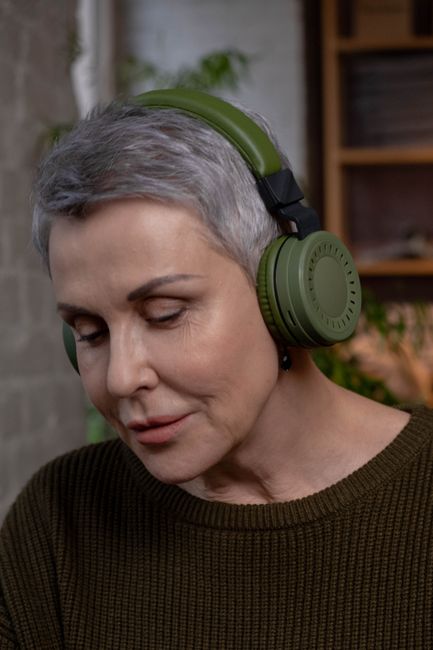
Three reasons. First, owning a house is a long-running project, and the audiobook format suits projects that unfold over years rather than weekends. Second, the household-skills knowledge that used to pass quietly from one generation to the next does not pass that way anymore for most buyers. The audiobook fills the gap. Third, the new-homeowner anxiety that comes from not knowing what is normal is best treated with the calm voice of someone who already knows. Audio is the right medium for that voice.
The shortlist
Home Comforts: The Art and Science of Keeping House by Cheryl Mendelson is the reference work in the household-care category, and the audiobook is the most surprising entry on this list because of how much you can absorb by listening rather than referencing. Mendelson is a Harvard-trained lawyer and philosopher who writes about housekeeping with the unironic seriousness it deserves. The chapters on laundry alone will save you years of fabric ruin. The chapters on cleaning will tell you what you actually need to keep on hand and what is marketing. The chapters on linens, on cooking, on the management of a household, will calm you because someone who has thought about all of this carefully has written it down. Worth listening to in pieces over the first homeowner year.
Atomic Habits by James Clear is the audiobook to listen to if your homeowner anxiety comes from feeling like nothing in the house has a system yet. Clear's framework is general (not homeowner-specific), but the application to a new house is direct. The morning-routine, the kitchen-reset, the laundry day, the seasonal-maintenance list, the bill-pay calendar all benefit from the small-changes-compounding-over-time framing he describes. The audiobook is widely recommended for a reason; the reason holds. New homeowners who set up two or three light systems in the first six months feel different in the second year than the homeowners who do not.
The Joy of Less: A Minimalist Guide to Declutter, Organize, and Simplify by Francine Jay is the audiobook to listen to before you fill the rooms you do not yet need to fill. New homeowners almost always over-furnish in the first year. The pressure to make rooms look complete, the urge to use the housewarming as a deadline, the sales that happen at the big-box retailers within driving distance of every new development, all push in the same direction. Jay's audiobook makes the case for waiting. The house teaches you what it actually needs after a season or two. The empty corner is not a problem to solve in month three.
The Anxiety and Phobia Workbook by Edmund Bourne is the audiobook for the homeowner who recognizes that the stress reaction to noises in the house at night is bigger than the underlying risk justifies. Bourne's book is the standard clinical reference for managing generalized anxiety, and the chapters on cognitive reframing, on relaxation practice, and on the noise-sensitivity loop are directly applicable to the new-homeowner experience. Listen if the strange sound of a settling foundation has woken you up at three in the morning more than twice. The book will not change your house but it will change how you respond to it.
Don't Sweat the Small Stuff and It's All Small Stuff by Richard Carlson is the gentler companion to the Bourne workbook. Carlson's short chapters were written before the era of smartphones and infinite-scroll, and they hold up better than most twentieth-century self-help titles because the underlying principles are durable. New homeowners who reach for this audiobook on the drive home from a frustrating contractor visit will recognize the feeling of having something useful said back to them. Worth listening to in twenty-minute segments rather than as a sustained read.
The Life-Changing Magic of Tidying Up by Marie Kondo is the audiobook with the most cultural saturation on this list, and there is a reason. Kondo's central practice (handle each item, decide whether to keep it, then store the kept items in a way that respects them) is a small ritual that becomes habit-forming for many new homeowners. Listen if you are about to unpack the last twelve boxes from the move and the prospect of doing it without a method is paralyzing.
The ones to skip
Two categories. The first is the home-improvement television tie-in book. These exist for the publishing-revenue reason, not the help-the-reader reason, and the actual content is usually thinner than the show because the show carries the visual demonstrations that the book lacks.
The second is the renovation-glamour memoir, which is the audiobook version of an Architectural Digest spread about someone else's hundred-fifty-thousand-dollar kitchen redo. They make new homeowners feel worse about the kitchen they just bought. Skip those during the first homeowner year. Read them later, after the house feels like home.
How to actually use these
The cadence that works for most new homeowners is one audiobook per month for the first six months. Start with Home Comforts during the unpacking weekends because the reference content is what you need first. Move to Atomic Habits during the routine-building phase. Use the Kondo and Joy of Less during the second-pass declutter when you are deciding which moving boxes you can finally throw away. Save the Bourne and Carlson audiobooks for the moment when you actually need them, which will arrive sometime in month four or five. Voice-memo any chapter that lands; the memos become the actual changes you make to the house.
Pair with the rest of homeownership
The audiobook gives you the framework. The practical playbooks give you the specific things to do. We covered the early-week mechanics in Your First 90 Days as a Homeowner (the lock changes, the shutoff valves, the maintenance log). Pair the audiobook listening with the playbook and the first homeowner year goes more smoothly than it did for most of us.
Try Audible
Audible offers a free 30-day trial that includes one credit. Any of the audiobooks above is redeemable, and the credit and audiobook are yours to keep even if you cancel before the trial ends. For new homeowners in the first year, the trial is the no-risk way to test the format. The standard membership at twenty dollars per month is one credit per month, which matches the sustainable cadence for the homeowner reading list.
Frequently Asked Questions
What is the best audiobook for a first-time homeowner?
For pure usefulness in the first weeks, Home Comforts by Cheryl Mendelson is the one I reach for, because it answers the practical household-care questions no one teaches you. If your anxiety comes from feeling like nothing has a system yet, start with Atomic Habits instead. Either is a calm, steady voice for those first quiet weekends in the house.
Do audiobooks actually help with new-homeowner anxiety?
For many people, yes, because the worry is usually about not knowing what is normal, and a knowledgeable, unhurried voice in your ear addresses that directly. The format also suits a project that unfolds over years rather than a single weekend. If the stress runs deeper than house noises, a clinical reference like The Anxiety and Phobia Workbook is the better fit.
How many homeowner audiobooks should I listen to in the first year?
A comfortable pace is about one a month for the first six months, which also matches Audible's one-credit-per-month membership. Start with the reference and habit titles during unpacking, save the calming ones for the month-four or five slump. There is no prize for finishing fast; the goal is to absorb what you can actually use.
Are home-improvement TV tie-in books worth it?
Usually not. They exist for publishing revenue more than for the reader, and the content tends to be thinner than the show because the book loses the visual demonstrations that carried it. The same goes for glossy renovation-glamour memoirs, which tend to make a new homeowner feel worse about the house they just bought. Skip both during the first year.
Can I keep an Audible audiobook if I cancel the trial?
Yes. The credit you get with the free 30-day trial buys one audiobook that is yours to keep, even if you cancel before the trial ends. That is what makes the trial a genuinely low-risk way to test whether the audio format works for you before committing to a paid membership.
For broader context on why managing this kind of worry matters, the Consumer Financial Protection Bureau's guidance on financial stress and well-being is a useful, non-commercial baseline, and the Department of Energy's home maintenance resources are a steadying reference for the systems first-time owners worry about most.
The shortlist above is what I would lend to a new buyer in the first month after closing. The category is deeper than this list but six titles is a sensible starting set. Listen during the unpacking weekends, take notes, and let the calmer voice in your ear become the friend who knew this stuff before you did.